| Quantity: | |
|---|---|
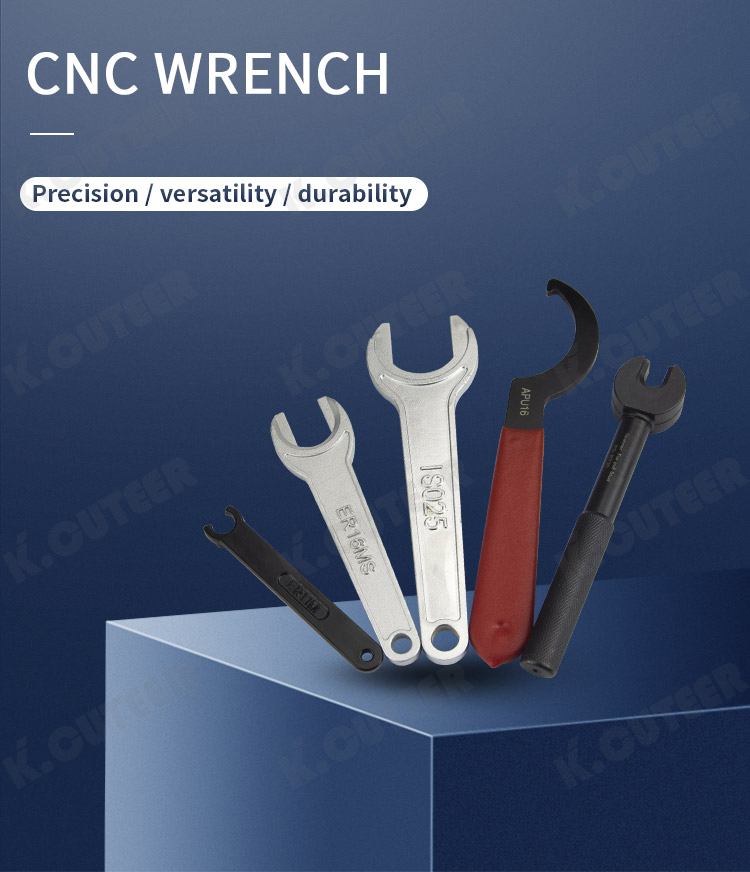
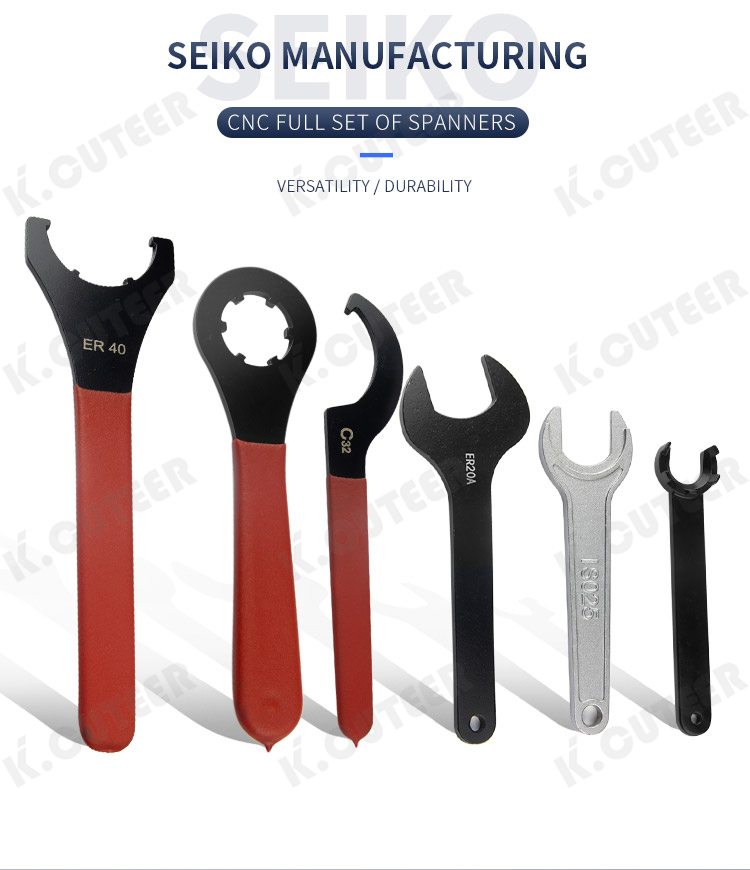
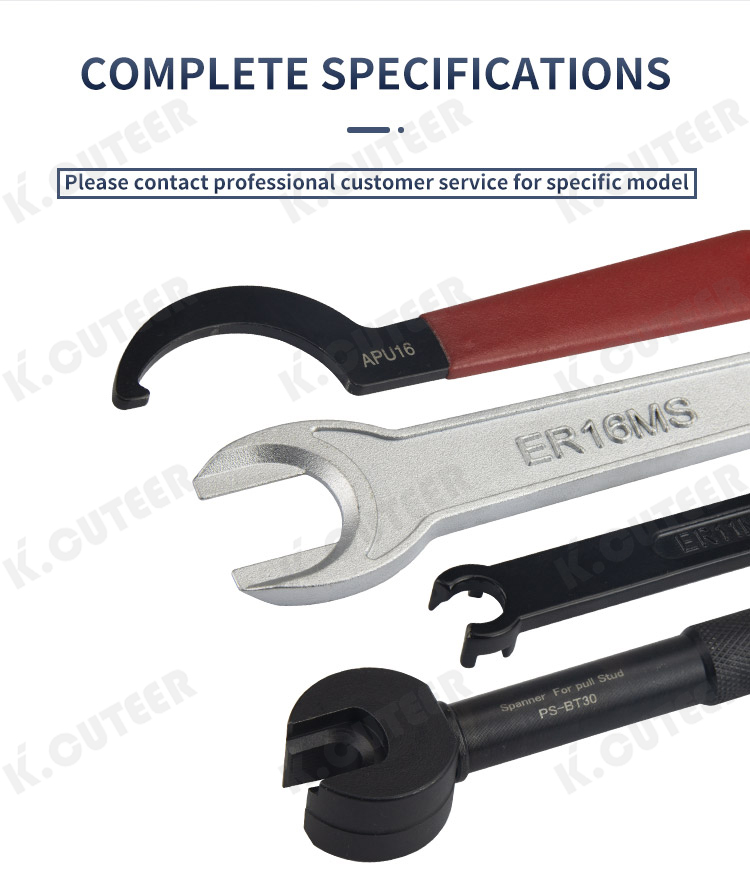
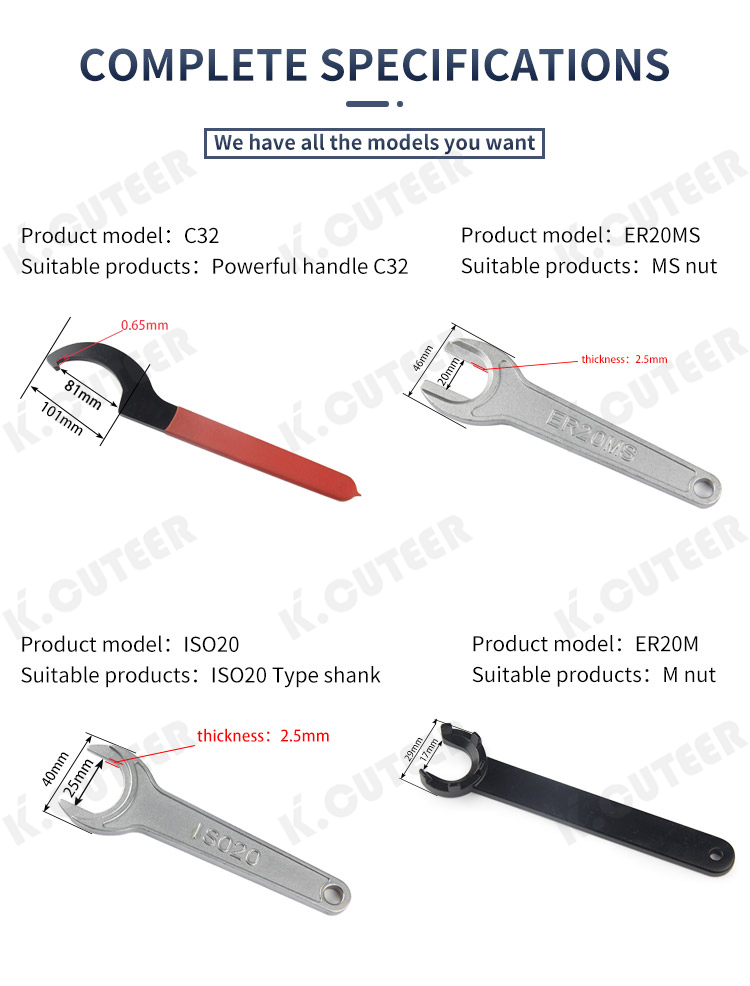
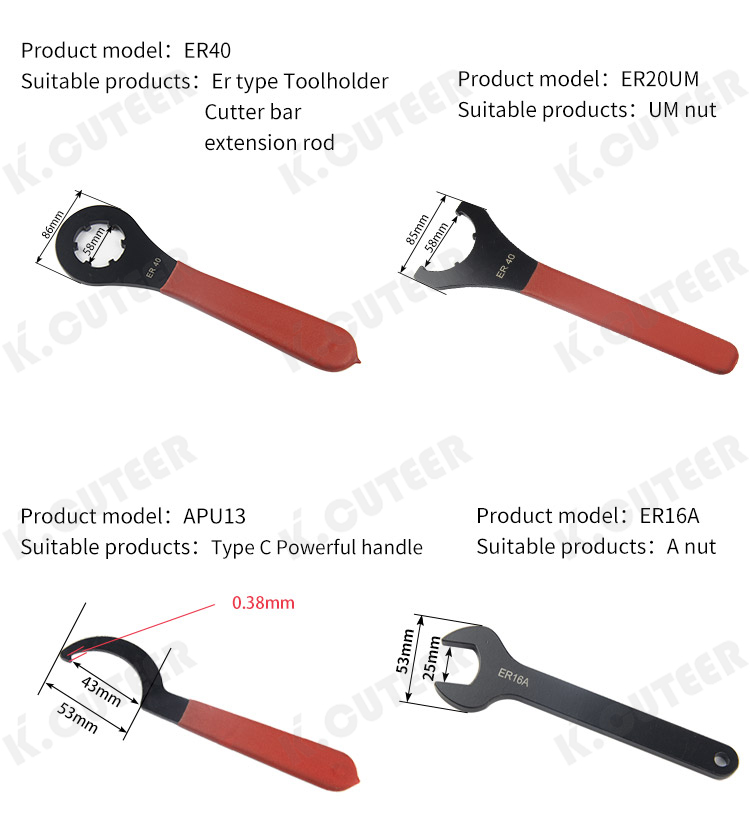
CNC wrenches come in various forms, each tailored for a specific function:
| Type | Primary Use & Description | Common Example |
|---|---|---|
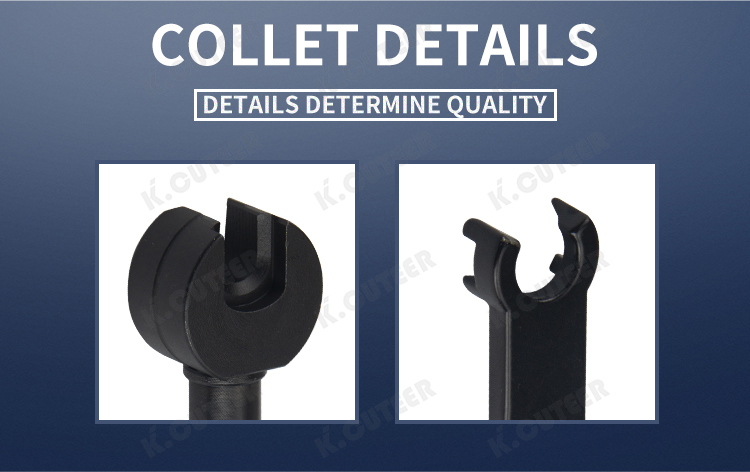
| Collet Wrench / Nut Wrench | Most Common. Used to tighten and loosen the locking nuts on ER collet chucks and other spring collet systems. Often has a T-handle or L-shaped design for leverage. | ER collet nut wrench (e.g., for ER32 nuts). |
| Allen Key / Hex Key | Used for set screws that secure cutting inserts, tool holders, and various machine components. Available as L-keys, T-handles, or socket bits. | Standard metric/imperial hex keys for insert clamps. |
| Torque Wrench | Critical for precision. Used to apply a predefined, accurate torque value when tightening critical connections like pull studs, shrink-fit tool holders, or spindle nose nuts. Prevents over/under-tightening. | Click-type or dial-indicating torque wrench. |
| Multi-Function Wrench | Combines several wrench types (e.g., hex sockets, collet nut drivers) into a single, compact tool, often used by operators for common daily tasks. | Combination wrench for tool preset stations. |
Precision Fit: CNC wrenches are machined to exact tolerances to fit fastener heads perfectly, preventing "camming out" and the rounding off of socket heads—a critical issue with expensive tooling.
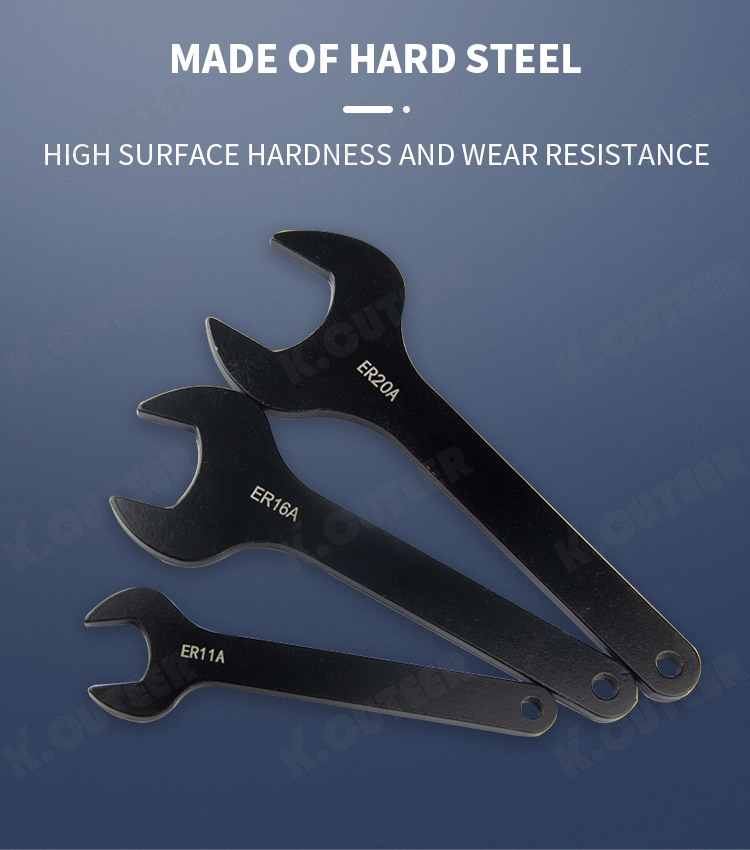
Material and Hardness: Made from high-grade chrome-vanadium steel or similar alloys, they are hardened and tempered to be strong yet resistant to wear and fracture.
Ergonomics: Many feature comfort-grip handles and optimized angles to reduce operator fatigue during frequent tool changes.
Safety: Proper use prevents injuries from slipping tools and ensures tools are securely held in the spindle at high speeds.
Correct Sizing: Always use the exact size wrench specified by the tool holder manufacturer. Using an imperial wrench on a metric fastener, or a slightly worn wrench, can cause damage.
Torque Specifications: For critical connections—especially pull studs and shrink-fit holders—always follow the machine or tool holder manufacturer's recommended torque value using a calibrated torque wrench. This is essential for safety and spindle integrity.
Maintenance: Keep wrenches clean and organized. Periodically check them for wear, especially on the driving edges.
Using a standard adjustable wrench or pliers on CNC tooling is strongly discouraged. It almost guarantees damage to the finely machined surfaces of collet nuts and set screws, leading to:
Inconsistent clamping force.
Poor tool balance and runout.
Costly replacement of damaged tool holders.
Potential safety hazards from tools coming loose in the spindle.
In summary, CNC wrenches are essential, precision instruments that protect your investment in both machine tools and cutting tooling by ensuring correct, safe, and repeatable assembly. They are as vital to the machining process as the cutting tools themselves.
For specific applications, please identify the type of tool holder system you are using (e.g., ER collets, hydraulic chucks, shrink-fit), and I can provide more detailed information on the correct wrench type and torque specifications.