| Quantity: | |
|---|---|
Introduction:
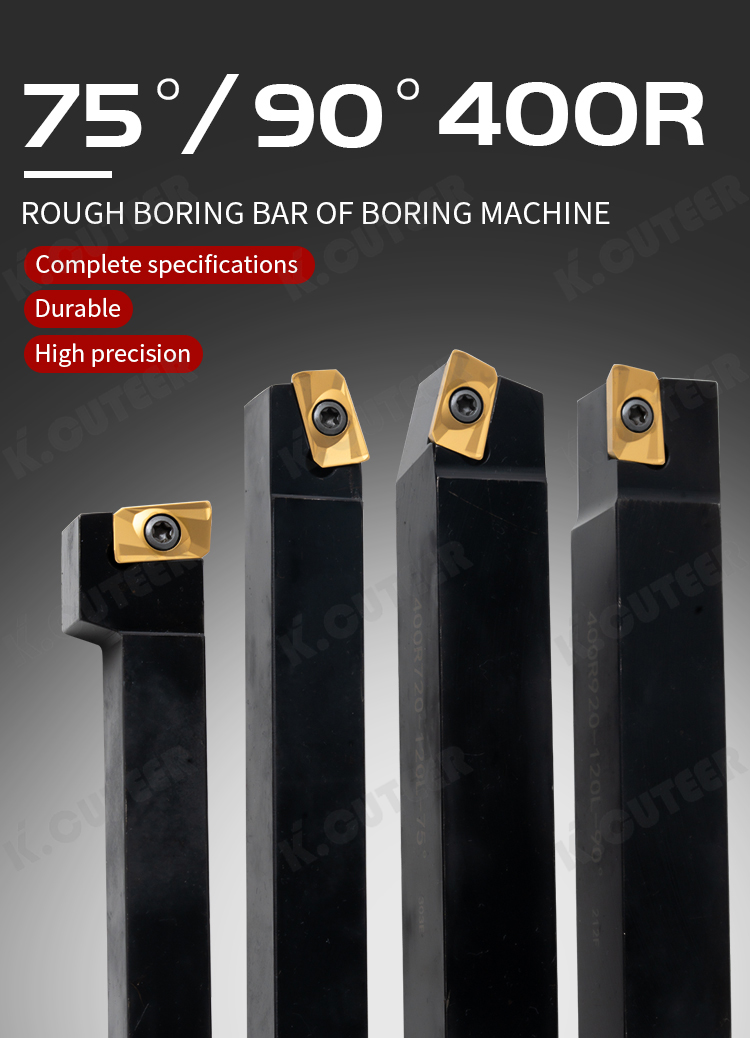
The BSB Boring Bar is a type of standard, single-point boring tool holder designed for rough boring and medium-duty machining operations. It is commonly used in modular tooling systems for its versatility and straightforward interface.
Here are its key features and applications:
| Feature | Description |
|---|---|
| Primary Function | A tool holder (bar) for securing a small boring head (small boring shank, or SBS) and insert for internal boring. |
| Interface | Designed to accept small boring shanks, such as SBS (for finish/medium cuts) and CBS (for heavy cuts), via a square drive interface. |
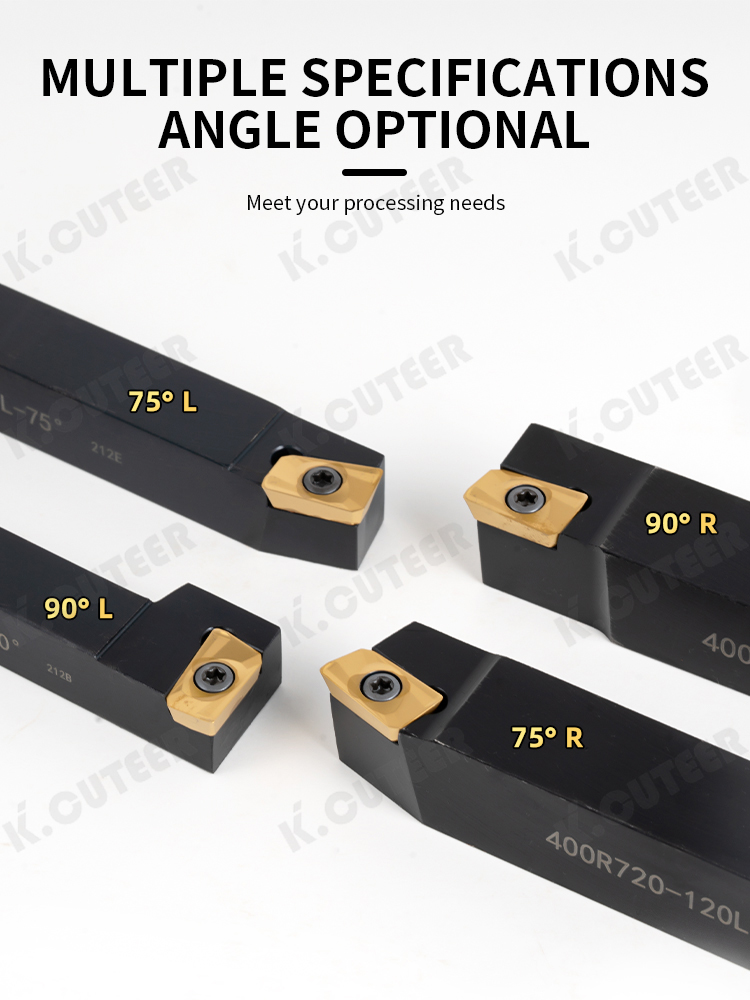
| Boring Head Angles | Compatible boring heads come in standard approach angles like 90°, 45°, and 30° for different machining needs. |
| Common Applications | Suitable for boring, facing, chamfering, and back (counter) boring operations, especially with 90° heads. |
| Typical System Setup | The BSB bar, a small boring shank (SBS/CBS), and a boring head with a clamp for a single cutting insert form a complete modular boring setup. |
The BSB bar acts as the foundation in a modular boring setup. Its main purpose is to connect the cutting unit to the machine spindle. A small boring shank (SBS or CBS) is inserted into the bar's square drive, and a boring head with a cutting insert is mounted on the other end of the shank. This modular design allows for quick changes of the cutting unit or adjustments for different hole diameters.
BSB bars are designed for material removal rather than final precision:
Control: They often lack fine-adjustment mechanisms. Operators usually set the cutting diameter using a presetter or trial cuts, unlike precision boring heads with micrometer adjustments.
Rigidity: They are generally robust but may not match the extreme rigidity of solid carbide bars for the highest precision.